Deep Reading
The full guide, organized for easier reading.
Open each section as you go. This keeps the article easy to scan while still preserving the full educational value of the guide.
Elegant and earth-friendly gardens are outdoor spaces that look exceptional while also helping protect the environment. In 2026, the most thoughtful landscapes use smarter design choices to conserve water, support pollinators, and stay resilient through changing weather patterns.
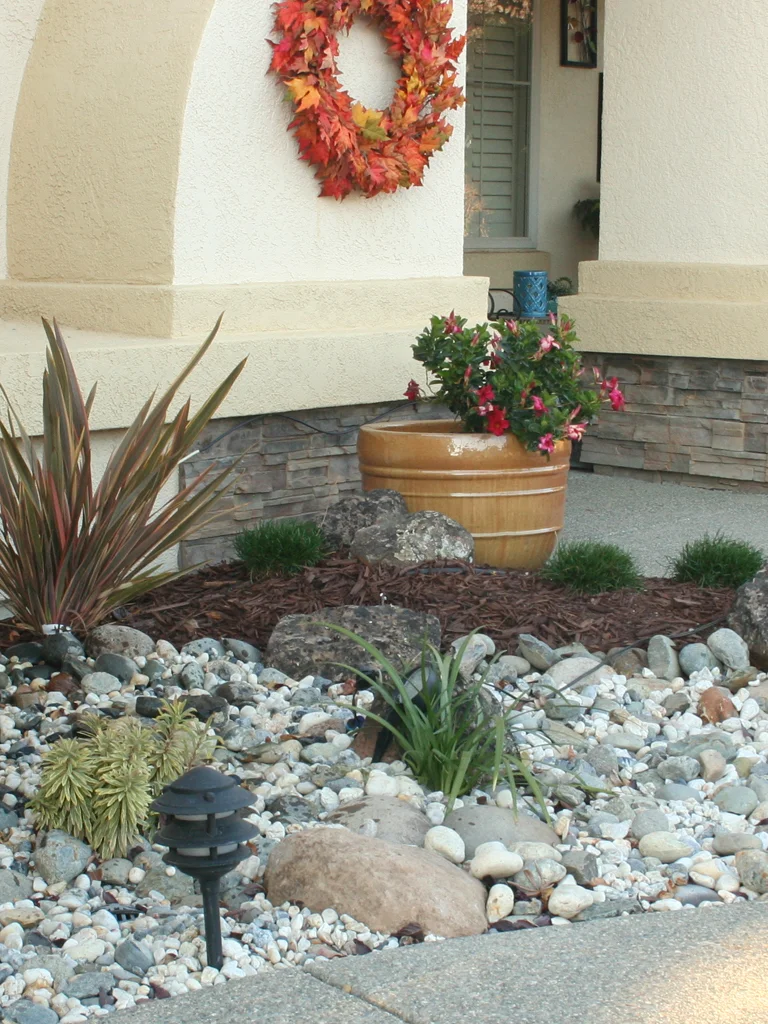
One of the most important ideas is the use of native plants. These are plants that naturally grow in the region, so they are better adapted to local soil, sun exposure, rainfall patterns, and seasonal shifts. In many cases, they require less supplemental water and less maintenance than plants brought in from very different climates.
These gardens also rely on durable, planet-conscious materials, smart watering systems, and energy-efficient lighting. Together, these choices create outdoor environments that feel polished and sophisticated while being more responsible with water, power, and long-term care.
Sustainable landscaping should not feel like a compromise. The goal is a landscape that looks elevated, performs intelligently, and feels naturally connected to Northern Californiaโs climate.
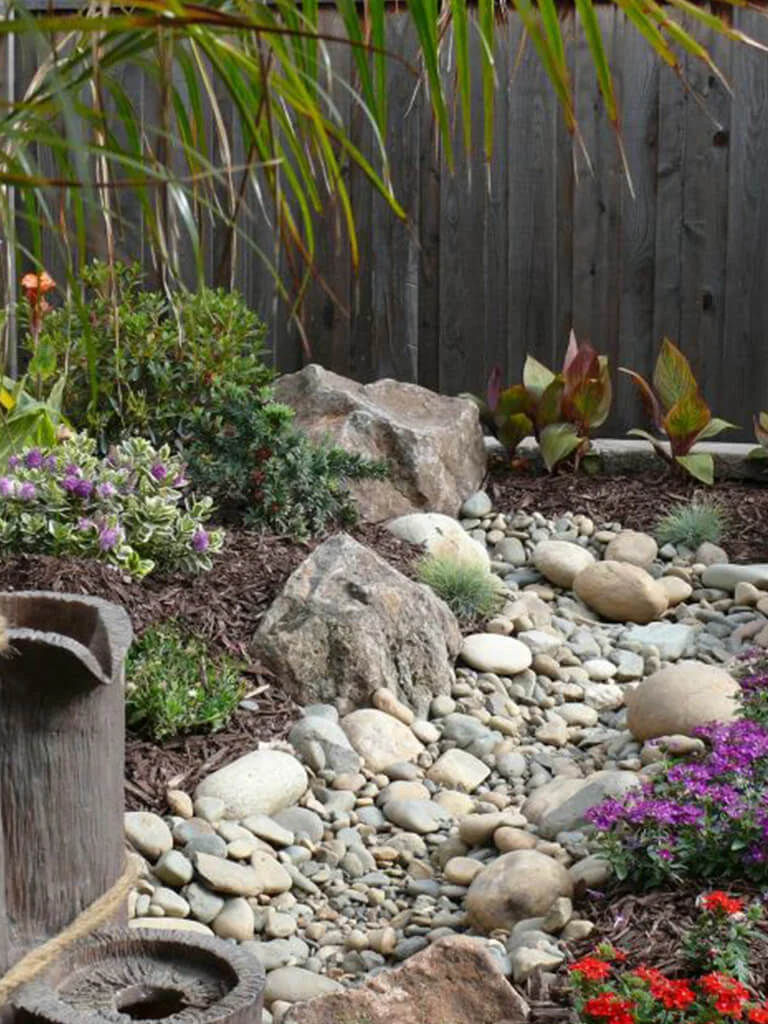
Native plants are plants that grow naturally near your home and are adapted to the local environment. In Northern California, this matters because the climate can be dry, warm, and water-conscious. Plants that are already suited to the region often need less extra water and can be easier to keep healthy.
Native planting also supports the living ecosystem around the home. Birds, bees, butterflies, and beneficial insects rely on familiar plants for food and shelter. When native plants are designed in an intentional, layered way, they can make a property feel alive without looking wild or unmanaged.
For premium landscapes, native plants are not a downgrade. They can be used to create soft movement, seasonal interest, structure, texture, and color. The key is thoughtful composition: pairing the right plants with hardscape, lighting, pathways, and focal points so the result feels luxurious and grounded in place.
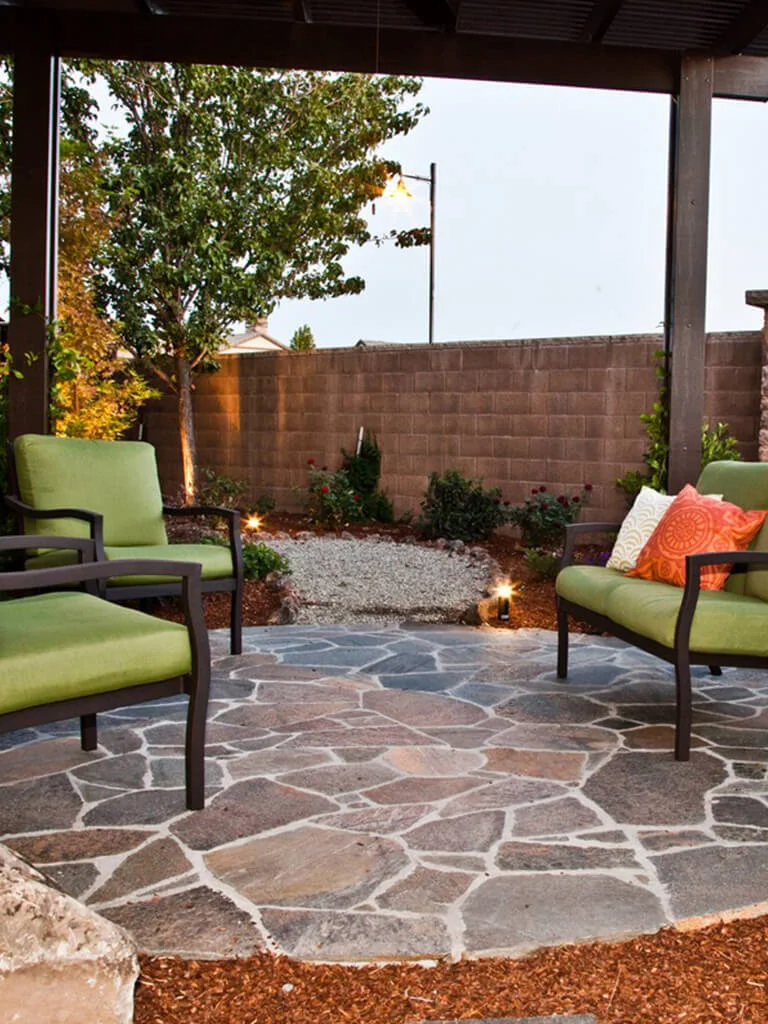
High-end gardens in 2026 use materials that are both beautiful and functional. The goal is to create a refined outdoor environment while helping the site manage water, reduce unnecessary maintenance, and stay durable over time.
- Permeable pavers: These are pavers or stone surfaces that allow water to pass through into the ground. They can reduce runoff and help support better site drainage.
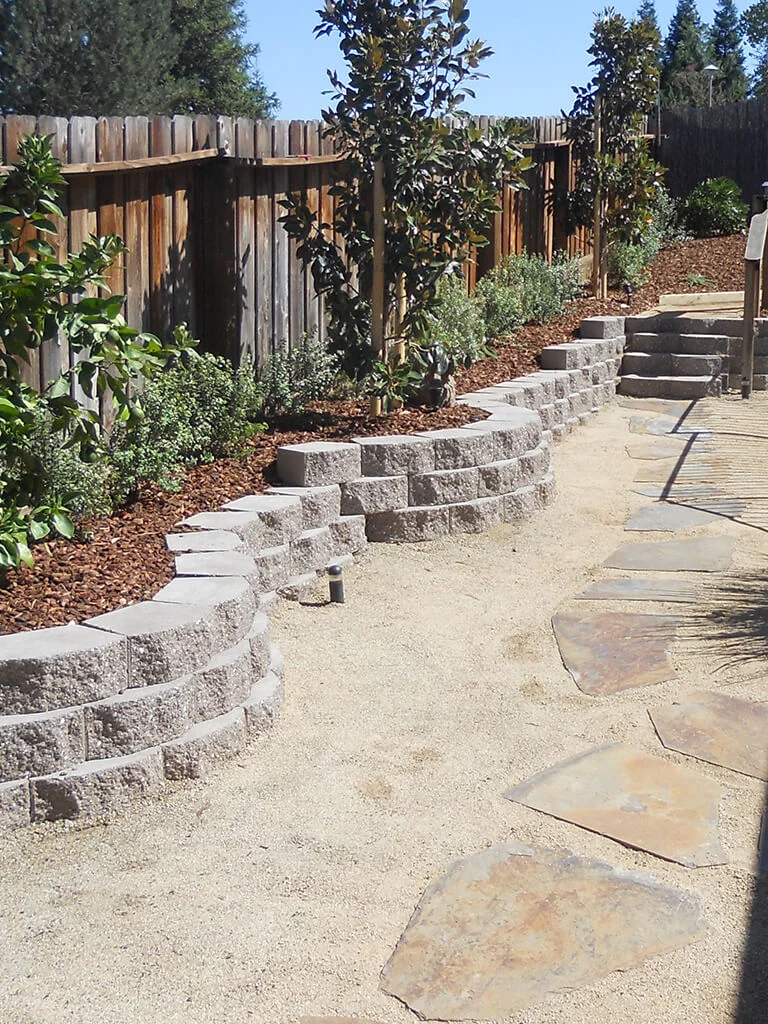
- Decomposed granite: This natural-looking material works well for garden paths, side yards, seating areas, and informal transitions. It allows water to soak into the soil more easily than many solid surfaces.
- Synthetic turf: When used thoughtfully, synthetic turf can keep a green look without the regular water and chemical needs of a traditional lawn.
The best landscapes do not use these materials randomly. They use them strategically: pavers for movement and structure, decomposed granite for softness and drainage, and turf only where a clean green surface truly supports the lifestyle of the property.
Smart irrigation uses tools and technology to water plants only when they need it. Instead of watering on a rigid schedule, smart systems can consider weather, soil moisture, and plant needs. This helps reduce waste while keeping the landscape healthier.
For example, if rain is expected, a weather-based controller can pause watering. Soil moisture sensors can check whether the ground is already moist enough. Drip irrigation can deliver water slowly and directly to the roots instead of spraying large areas where water may evaporate or run off.
Water-saving systems are especially valuable in premium gardens because they help protect the investment. They can reduce water bills, conserve resources, and keep planting areas healthier by avoiding both overwatering and underwatering.
- Weather-based controllers: Adjust watering based on current and forecasted conditions.
- Soil moisture sensors: Help determine when the soil actually needs water.
- Drip irrigation: Delivers water slowly and directly to the plant roots.
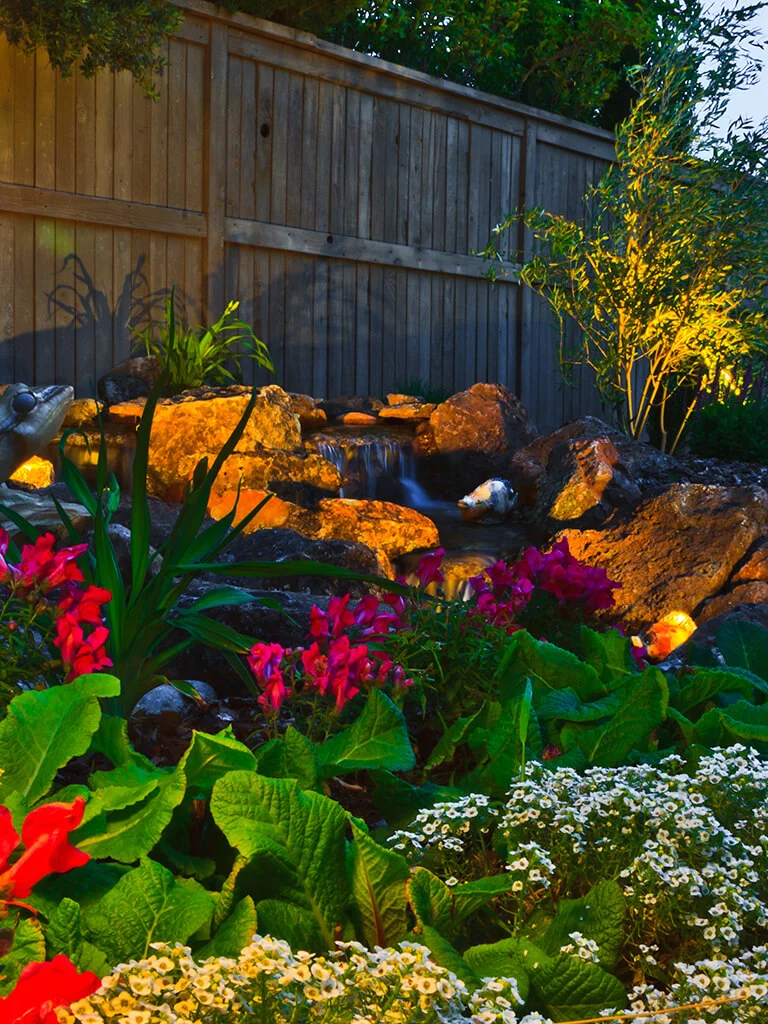
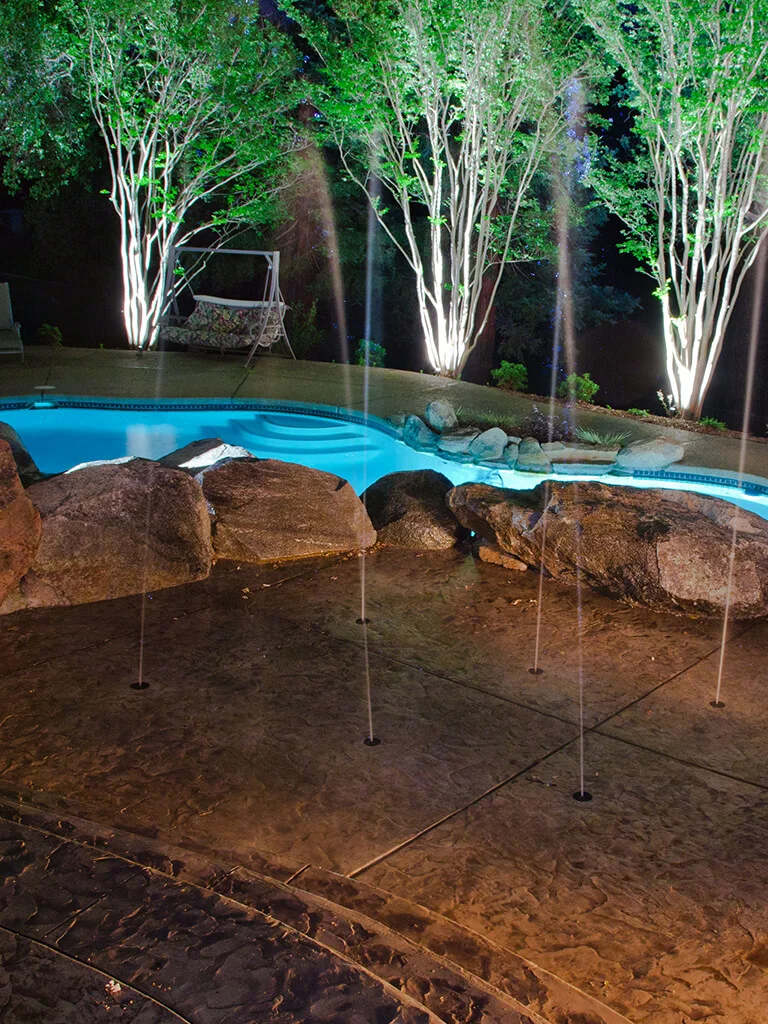
Garden lighting is one of the most powerful ways to elevate an outdoor space. It highlights architecture, planting, pathways, water features, and gathering areas. But in a sustainable luxury landscape, lighting should be designed with energy use in mind.
Many homeowners now choose LED lights because they use less electricity and last longer than older lighting options. Solar-powered lights are another option in certain applications, charging during the day and illuminating the landscape at night without drawing from the homeโs electrical system.
Smart lighting controls can also reduce unnecessary energy use by turning lights on and off automatically. This creates the right ambiance when needed without leaving systems running longer than necessary.
- LED lights: Long-lasting and energy-efficient.
- Solar lights: Powered by sunlight and useful for select landscape applications.
- Smart controls: Help manage lighting schedules and reduce waste.
Healthy soil is one of the quiet foundations of a successful landscape. Natural soil helpers can improve water retention, nutrient availability, and plant strength over time. Compost, for example, acts like food for the soil, helping plants access what they need to grow well.
Biochar can improve soil structure and store carbon. Mycorrhizae are tiny fungi that live with plant roots and help plants absorb nutrients more effectively. These natural helpers can support stronger plants and more resilient gardens.
- Compost: Made from organic matter and used to enrich soil health.
- Biochar: Charred plant material that can improve soil and store carbon.
- Mycorrhizae: Beneficial fungi that help plants absorb nutrients.
Natural garden care also reduces reliance on harmful chemicals. By focusing on healthier soil, appropriate plants, smart watering, and balanced care, a landscape can stay beautiful while supporting a cleaner, healthier environment for the future.